High-end

A digital menu for high-end restaurants.

A high-end restaurant digital menu should feel like an extension of the dining room, not a cold utility screen. Vistaire uses warm dark surfaces, food-first visuals, clear dish pages, readable prices, allergens and selective 3D/AR to keep the menu premium while making mobile reading easier.

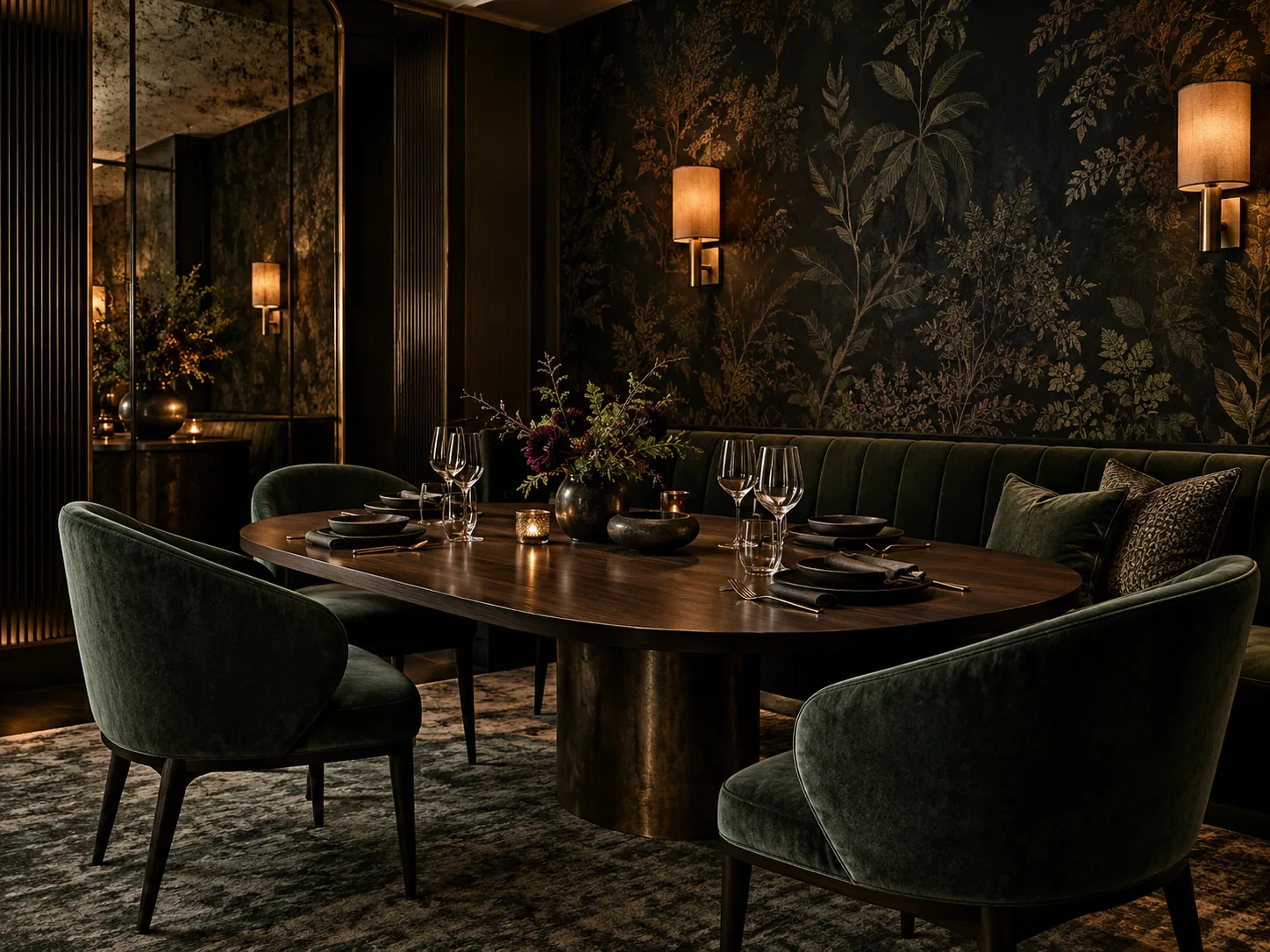
Ambiance premium de restaurant haut de gamme

Restaurant context

Digital should not flatten a premium restaurant

High-end restaurants need digital tools that respect service, lighting, pace and brand image.

Vistaire keeps the menu calm and visual, with technology supporting the food instead of taking over the experience.
premium mobile structure

food-first visual hierarchy

selective immersive moments

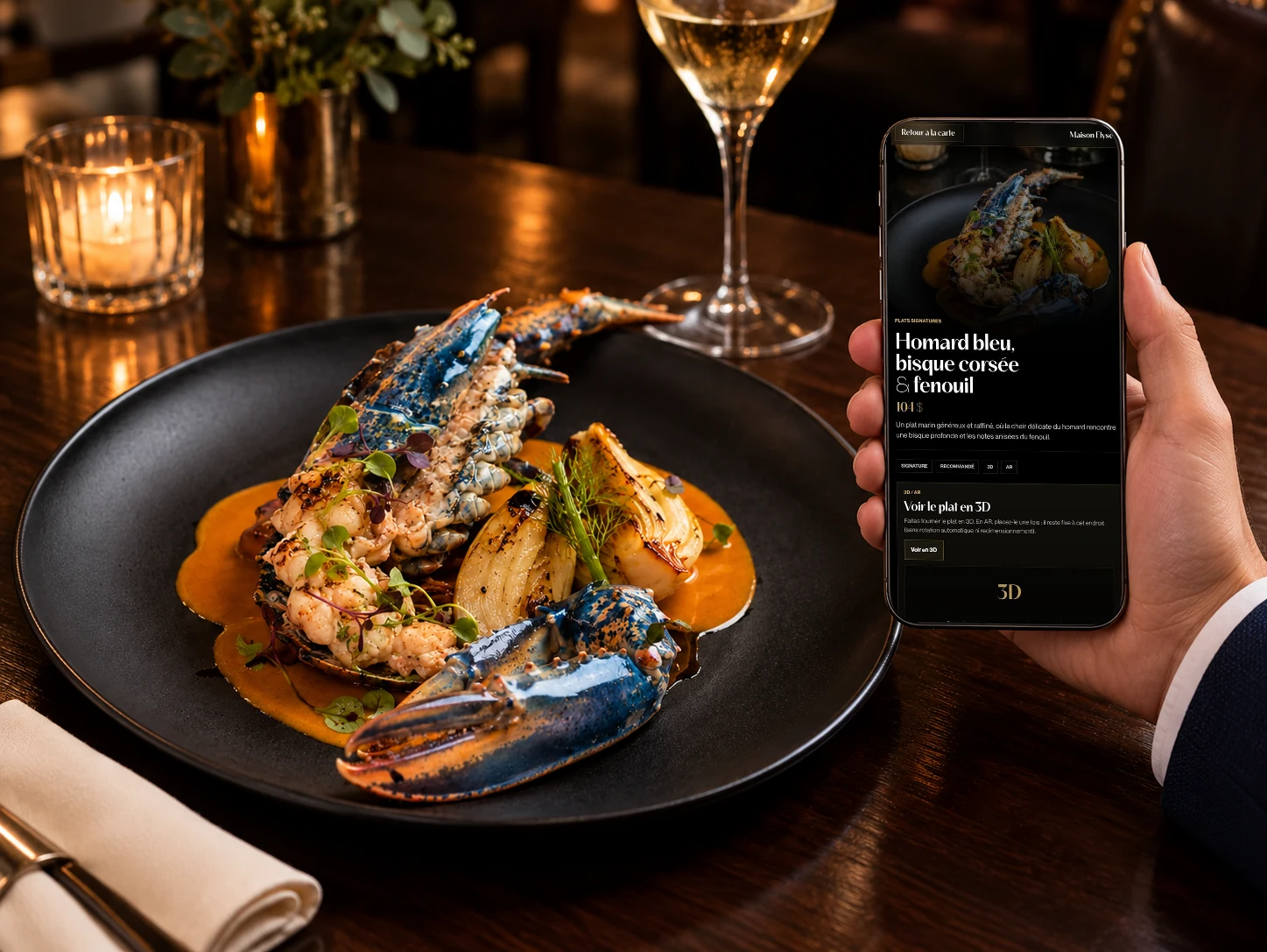
Plat signature mis en scène pour un menu haut de gamme

With Vistaire

Designed around the room and the dish

Vistaire presents a premium menu with restrained motion, warm dark surfaces, dish pages and selective 3D/AR only where it helps.

  • premium design
  • dish pages
  • selective AR
  • restaurant tone

Included

What a Vistaire menu includes

The presentation keeps the same Vistaire direction: mobile-first, food-first, restrained and useful during service.

QR code

A simple table access point that opens the menu without forcing guests to install an app.

Mobile menu

Categories, prices and descriptions designed for quick reading on a phone during service.

Dish pages

Short pages for dishes that need a photo, concise story, allergens, options or pairing details.

Photos and fallback

Validated visuals with a clean presentation even when a 3D asset is not available.

Allergens

Useful information placed near the dish, while keeping the dining room team central.

Selective 3D/AR

An immersive layer only for compatible dishes where volume helps the guest understand the plate.

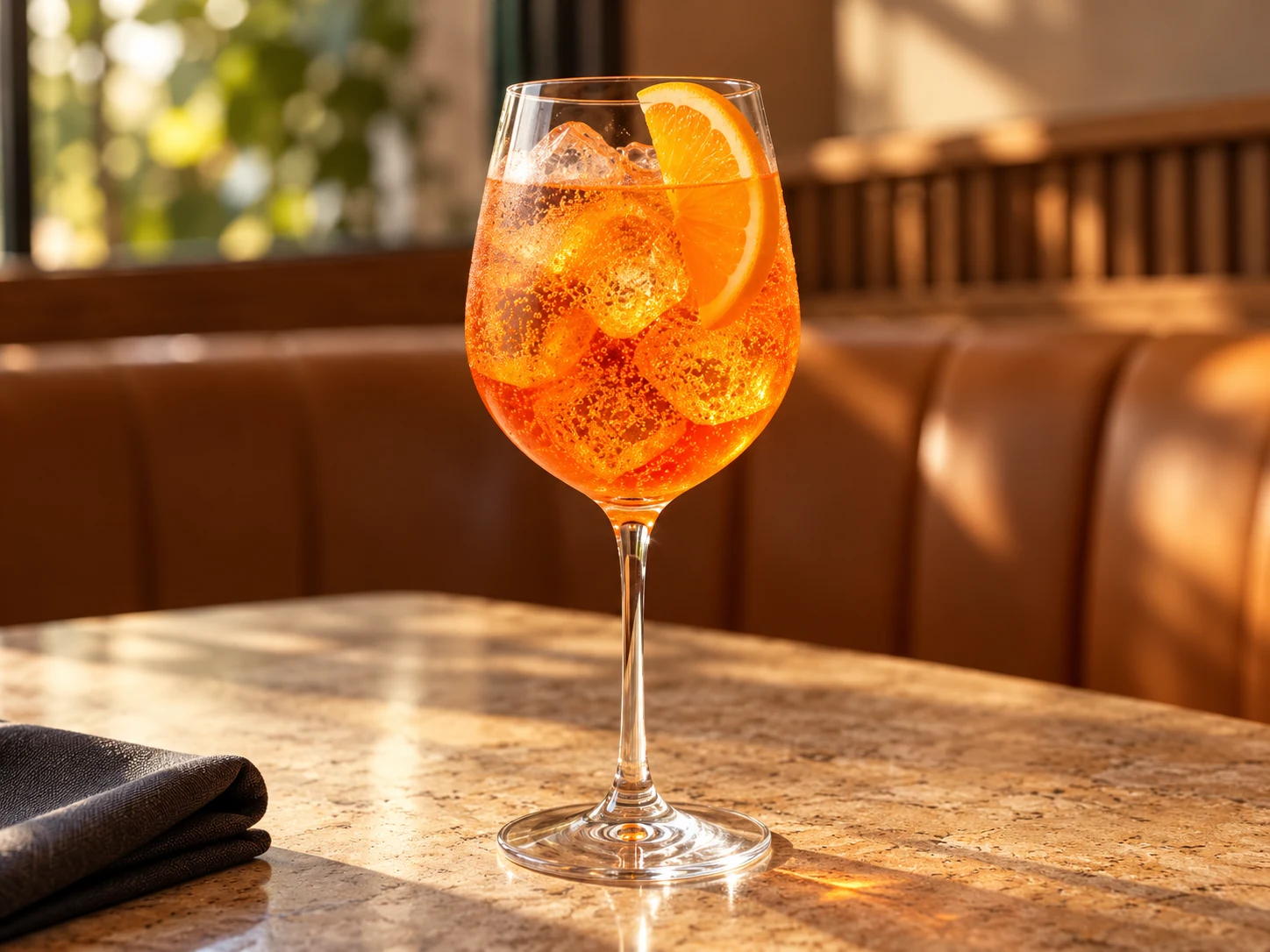
Boisson signature présentée dans une expérience Vistaire

Comparison

Standard digital menu or high-end Vistaire menu?

The difference should stay concrete: readability, image, useful information and mobile performance.

CriterionStandardVistaire
ToneThe interface can feel generic.The design supports the restaurant identity.
DishesFood can become a list item.Dish pages make signatures more desirable.
TechnologyFeatures can feel like gimmicks.3D/AR stays selective and deliberate.

Questions

Common restaurant questions

Short answers to help prepare the menu, align the team and clarify the table experience.

Is a digital menu suitable for high-end restaurants?

Yes, when the design stays calm, visual and faithful to the restaurant instead of feeling like a generic tool.

Should every dish have 3D or AR?

No. Vistaire keeps immersion selective for dishes where it adds clarity or desire.

Does the guest need to install an app?

No. Vistaire opens in the mobile browser after a QR scan, so the guest can read the menu without downloading anything.

Does Vistaire load 3D or AR immediately?

No. 3D and AR stay selective and open only after the guest actively opens a compatible dish page.

Can the restaurant keep a printed menu?

Yes. Vistaire can complement a printed menu or become the main QR-scanned experience depending on the service style.

Next step

Prepare a coherent Vistaire experience.

The path points to useful guides, the sample menu and booking flow so restaurants can keep moving clearly.